Call: 08045813120
 Send Inquiry
 Send Inquiry
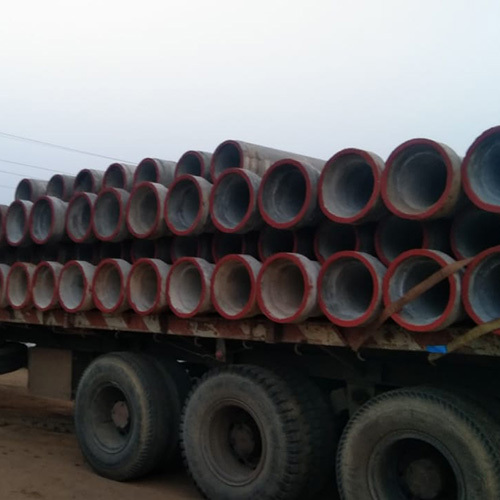
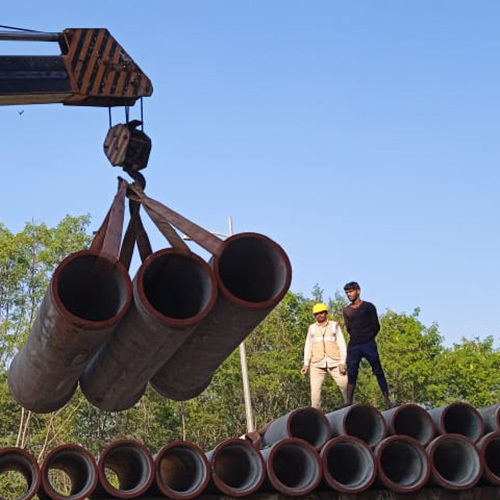
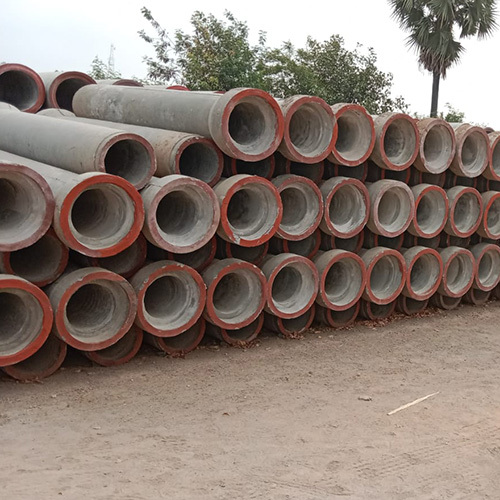
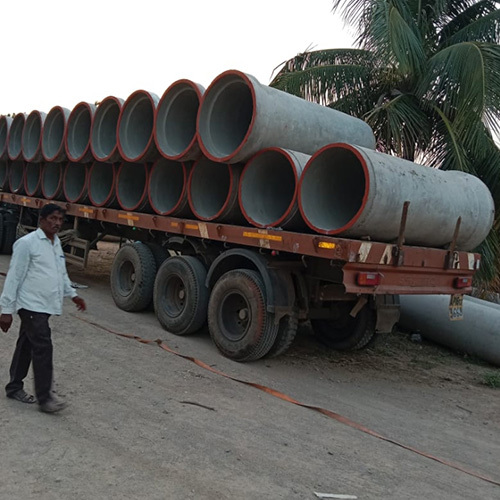
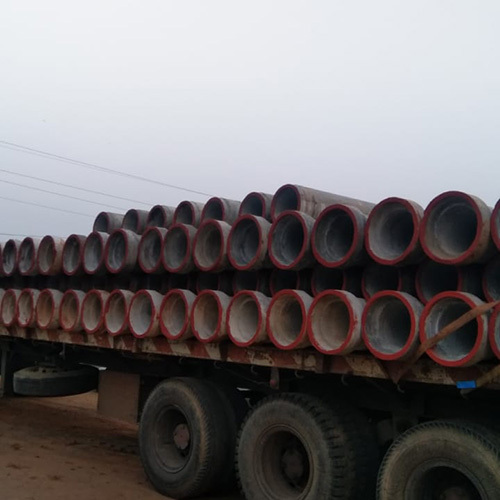
Rcc Hume Pipes
MOQ : 100 Units
Rcc Hume Pipes Specification
- Sealing Type
- Collar Joint
- Connection Type
- Spigot and Socket with Collar
- Flexibility
- Rigid
- Coating Type
- Uncoated
- Yield Strength
- Up to 30 MPa
- Product Type
- RCC Hume Pipe
- Material
- Other
- Connection
- Spigot and Socket Joint
- Shape
- Round
- Standard
- Other
- Surface Treatment
- Smooth Finish
- Section Shape
- Cylindrical
- Color
- Grey
- Usage
- Drainage, Culverts, Sewerage, Irrigation
- Rated Pressure
- 0.3 MPa to 1.0 MPa
- Application
- Culverts, Sewer Lines, Water Drains, Underground Construction
- Material Grade
- M30, M40
- Reinforcement Type
- Mild Steel Wires/Rods
- Resistant To
- Corrosion, Alkalis, Sulphates
- End Design
- Socketed or Plain
- Testing Standard
- IS: 458 - 2003
- Class Types
- NP2, NP3, NP4
- Life Expectancy
- Up to 100 years
- Manufacturing Process
- Centrifugal Spinning / Vibration Casting
- Installation Method
- Laid in Trench
- Water Absorption
- < 5%
- Weight Range
- 120 kg to 2500 kg (varies with size)
Rcc Hume Pipes Trade Information
- Minimum Order Quantity
- 100 Units
- Payment Terms
- Cash in Advance (CID)
- Supply Ability
- 5000 Units Per Month
- Delivery Time
- 7 Days
- Main Domestic Market
- All India
About Rcc Hume Pipes
NP2,NP3 & NP4 CLASS SOCKET & SPIGOT
TONGUE & GROOVE
SIZES FROM : 150mm To 2500mm Dia
150mm,200mm,225mm,250mm,300mm,350mm,400mm,450mm 500mm,600mm,800mm,900mm,1000mm,1200mm,1400mm 1600mm,1800mm,2000mm,2400mm,2500mm
Engineered for Durability and Strength
RCC Hume Pipes are meticulously designed to withstand harsh environments, resisting corrosion, alkalis, and sulphate attacks. Reinforced with mild steel wires or rods and produced via centrifugal spinning or vibration casting, these pipes meet stringent IS: 458 - 2003 requirements, ensuring reliable performance in varied infrastructure projects throughout their long service life.
Versatile Applications Across Infrastructure
Suitable for a broad spectrum of uses including culverts, sewer lines, water drainage systems, and irrigation, RCC Hume Pipes excel in underground construction. Their cylindrical, rigid structure and superior strength cater to complex needs in both urban and rural projects, ensuring safe and efficient water conveyance or waste management.
Reliable Installation and Maintenance
Installation involves laying pipes in a trench and connecting them through spigot and socket joints secured with a collar. The smooth internal finish reduces friction losses, while the robust build and minimal water absorption help minimize maintenance. Their substantial yield strength and longevity make them a smart choice for critical infrastructure.
FAQ's of Rcc Hume Pipes:
Q: How are RCC Hume Pipes installed in construction projects?
A: RCC Hume Pipes are typically laid in pre-prepared trenches and connected using spigot and socket joints with a collar for secure sealing. This method ensures reliable alignment and minimizes the risk of leakage, making them suitable for underground installations such as culverts and drainage systems.Q: What benefits do RCC Hume Pipes offer in terms of corrosion and chemical resistance?
A: These pipes are engineered to withstand corrosion, alkalis, and sulphate attacks, ensuring durability even in chemically aggressive environments. This makes them ideal for sewer lines, water drains, and other applications where chemical exposure is a concern.Q: When should NP2, NP3, or NP4 class RCC Hume Pipes be used?
A: The selection of NP2, NP3, or NP4 class depends on the pressure and load requirements of your project. NP2 is suitable for light-duty applications, NP3 is standard for most drainage and irrigation work, while NP4 is used in heavy-duty infrastructure that demands higher load-bearing and pressure resistance.Q: What manufacturing process is used for RCC Hume Pipes and why?
A: RCC Hume Pipes are produced using centrifugal spinning or vibration casting, both of which ensure uniform compaction and strength. These processes result in consistently high-quality pipes with smooth finishes and minimal water absorption, aligning with IS: 458 - 2003 standards.Q: Where are RCC Hume Pipes most commonly applied?
A: They are widely installed in drainage systems, culverts, sewerage networks, irrigation projects, and general underground construction where robust, long-lasting piping solutions are required.Q: How does the pipe's water absorption rate benefit its usage?
A: With a water absorption rate of less than 5%, RCC Hume Pipes are less susceptible to degradation and maintain structural integrity over decades, contributing to their long lifespan and minimal maintenance needs.Q: What is the expected life expectancy and maintenance requirement of these pipes?
A: RCC Hume Pipes are designed to last up to 100 years, requiring minimal maintenance due to their strength, low water absorption, and resistance to environmental factors, making them cost-effective for long-term infrastructure use.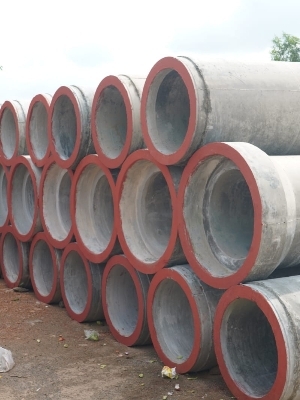
Tell us about your requirement

Price:
Quantity
Select Unit
- 50
- 100
- 200
- 250
- 500
- 1000+
Additional detail
Mobile number
Email


Contact Details
TSR ENTERPRISES
GST : 36AFVPT1304E1ZD
- 1-94/2, Plot No. - 119, Street No. - 7, Veerareddy Nagar, Boduppal,Hyderabad - 500092, Telangana, India
- Phone :08045813120
 Send Inquiry
- Unit Address
Unit 1: Mudhuchintapally Telanagana
Unit 2 : No : 159 Industrial Park, Dandumalkapur ,Choutuppal Mandal, Yadadri Bhuvanagiri District , Telangana
Unit 3: Mall , Telangana
Unit 4: Kottapalli , Timmapur Telangana
Unit 5: S.NO 644 /1B & 1C. Konda Road, Martur Mandal, Prakasam Dist, Andhra Pradesh
Unit 6: Bestavaripet, Prakasam Dist , AP

Developed and Managed by Infocom Network Private Limited.
