Call: 08045813120
 Send Inquiry
 Send Inquiry
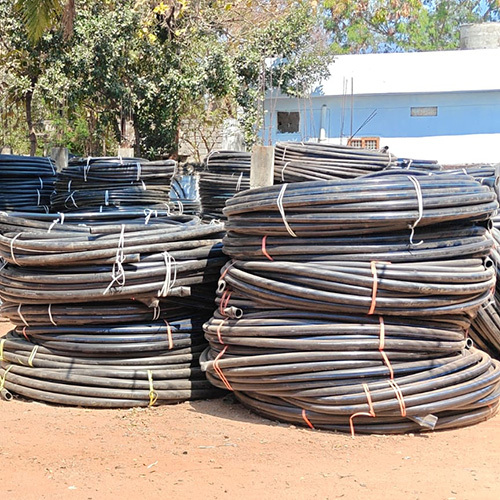
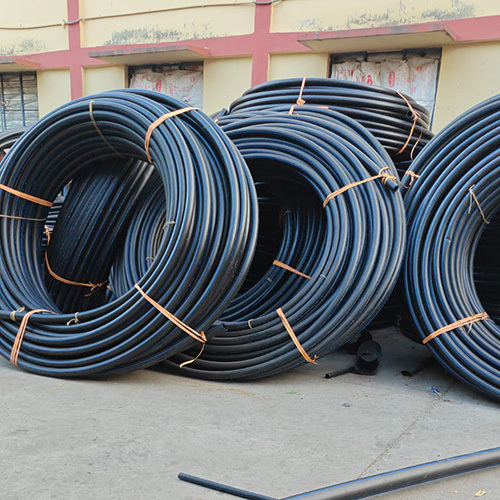
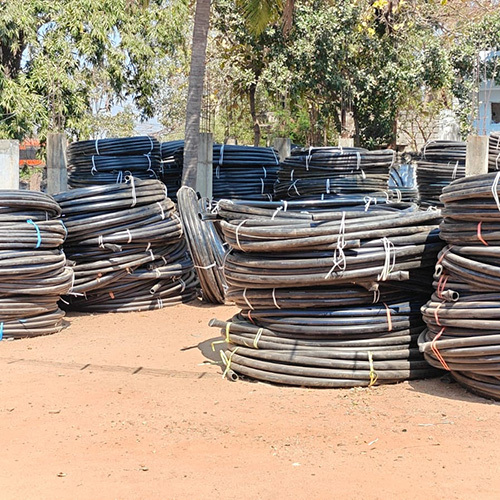
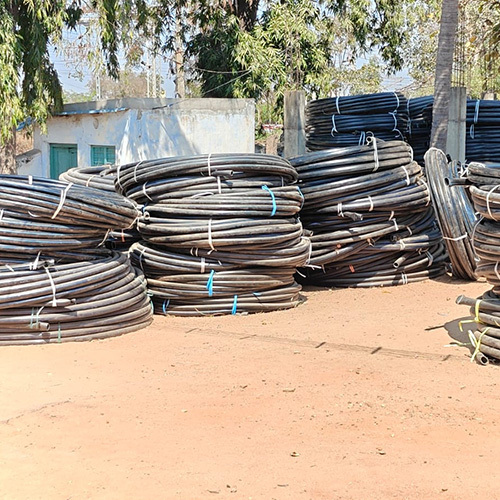
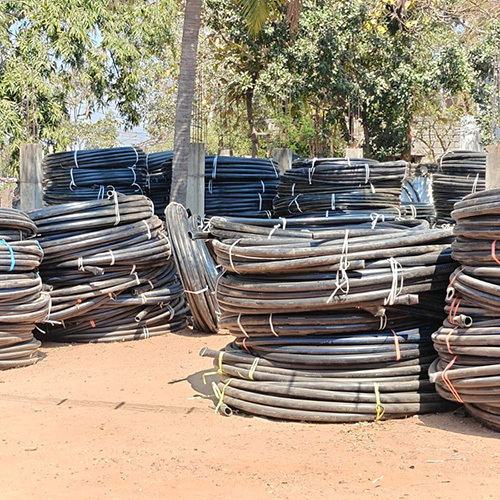
HDPE Pipes
MOQ : 100 Rolls
HDPE Pipes Specification
- Feature
- Corrosion resistant, leak proof, UV stabilized, low thermal conductivity, high flexibility
- Application
- Water supply, irrigation, gas distribution, sewage, industrial effluent, cable ducting
- Life Span
- 50 years under normal conditions
- Product Type
- HDPE Pipe
- Material
- Other
- Shape
- Round/Pipe
- Standard
- IS 4984:2016, ISO 4427, DIN 8074, ASTM D3035
- Connection Type
- Butt Weld, Electrofusion, Compression fittings
- Color
- Black with blue stripes or as per requirement
- Elongation at Break
- >350%
- Surface Finish
- Smooth inner surface for low friction losses
- Chemical Resistance
- Excellent resistance to most chemicals and abrasion
- Bend Radius
- Minimum 20 times the outer diameter
- Jointing Method
- Fusion welding, mechanical joints
- Burst Pressure
- Up to 4 times the working pressure
- Working Temperature
- -40C to +80C
- Density
- 0.941 - 0.965 g/cm3
- Tensile Strength
- >22 MPa
HDPE Pipes Trade Information
- Minimum Order Quantity
- 100 Rolls
- Payment Terms
- Cash in Advance (CID)
- Supply Ability
- 5000 Rolls Per Month
- Delivery Time
- 7 Days
- Main Domestic Market
- All India
About HDPE Pipes
- Material: High-Density Polyethylene (PE-63, PE-80, or PE-100)
- Properties: Flexible, durable, corrosion-resistant thermoplastic
- Applications: Water supply, gas distribution, sewage, and industrial pipelines
- Lifespan: Designed for over 50 years
Key Features & Advantages
- High Flexibility: Allows bending, reducing the need for fittings and enabling easy installation.
- Durable & Corrosion-Resistant: Resistant to chemicals, soil conditions, and abrasion; suitable for slurry and harsh environments.
- Leak-Free Joining: Butt fusion or electrofusion methods create seamless, leak-proof pipelines.
- Low Maintenance: Smooth internal surface reduces friction loss and prevents scaling.
- Long Life Span: Typically designed to last over 50 years.
- Water & Gas: Drinking water mains, irrigation systems, and gas distribution networks.
- Industrial: Slurry, chemical, and effluent transportation.
-
Infrastructure: Sewerage, drainage, and utility cable conduit.
Technical Specifications
- Material: High-Density Polyethylene (PE-63, PE-80, or PE-100)
- Pressure Rating: Typically PN 6 to PN 12.5, or higher depending on the requirement
- Standards: Manufactured according to IS 4984-1995, ISO 4427, and IS 14333
Superior Performance Under Extreme Conditions
HDPE pipes offer working temperatures from -40C to +80C and maintain structural integrity with high flexibility and robust tensile strength. Their smooth inner surface minimizes friction, which ensures efficient flow in water and gas supply systems. Built to withstand harsh environments and corrosive chemicals, these pipes deliver reliable service in industrial and municipal applications.
Reliability Through Advanced Engineering
Engineered for durability, HDPE pipes are developed with a density range of 0.941-0.965 g/cm3 and can handle burst pressures up to four times their working pressure. They are joined using fusion welding, butt weld, electrofusion, or mechanical/compression fittings, guaranteeing leak-proof connections that meet the standards required for critical infrastructure.
FAQ's of HDPE Pipes:
Q: How are HDPE pipes joined during installation?
A: HDPE pipes can be joined using several methods, including butt fusion welding, electrofusion, and compression fittings. These jointing techniques create robust, leak-proof seals, suitable for high-pressure and long-term applications.Q: What are the main benefits of using HDPE pipes in water supply and industrial applications?
A: HDPE pipes provide excellent corrosion and chemical resistance, superior flexibility, and high durability with a lifespan of up to 50 years. Their smooth inner surface reduces friction losses, ensuring efficient fluid transport and minimal maintenance needs.Q: When should HDPE pipes be preferred over traditional piping materials?
A: HDPE pipes are preferred in environments where corrosion, chemical abrasion, and leak prevention are critical. They offer advantages in applications like water supply, gas distribution, sewage, and irrigation, especially when long-term reliability and low maintenance are desired.Q: Where are HDPE pipes commonly used and supplied from?
A: HDPE pipes are widely used in water supply networks, irrigation systems, gas distribution lines, sewage and waste management systems, as well as industrial effluent and cable ducting. In India, they are manufactured and supplied by certified manufacturers, suppliers, and traders to both domestic and international markets.Q: What is the process for ensuring leak-proof connections between HDPE pipes?
A: Leak-proof connections are achieved using fusion welding techniques such as butt welding and electrofusion, or through reliable mechanical and compression fittings. These processes ensure strong, monolithic joints that resist leakage even under high pressure.Q: What standards do HDPE pipes conform to and why is this important?
A: HDPE pipes adhere to international and national standards such as IS 4984:2016, ISO 4427, DIN 8074, and ASTM D3035. Adherence to these standards guarantees consistent product quality, safety, and performance, assuring customers of their suitability for demanding applications.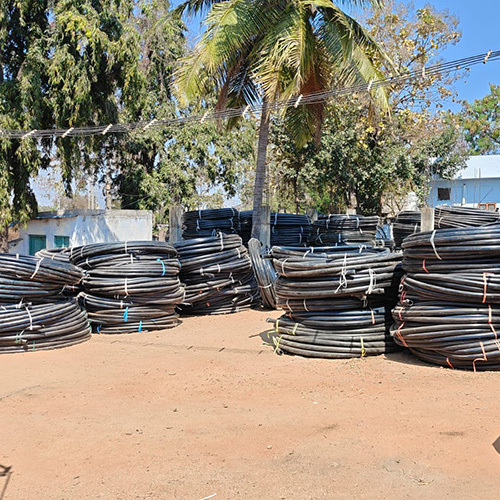
Tell us about your requirement

Price:
Quantity
Select Unit
- 50
- 100
- 200
- 250
- 500
- 1000+
Additional detail
Mobile number
Email

More Products in HDPE Pipe Category
Jain corrugated & duct pipes
Minimum Order Quantity : 500
Application : Cable ducting, optical fiber cable duct, electrical wiring protection, telecommunication
Life Span : More than 50 years under normal conditions
Standard : IS 14930 Part 2
Feature : Flexible, light weight, corrosion resistant, easy installation
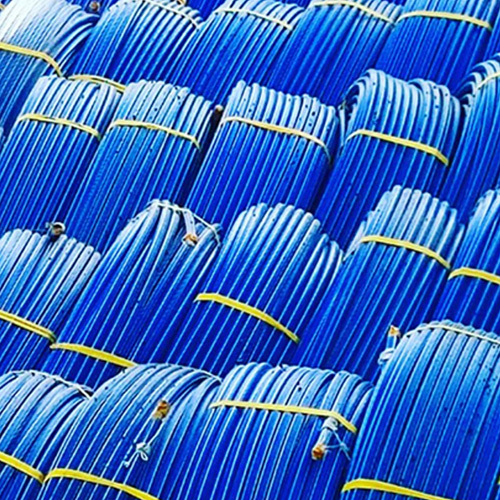
Blue HDPE PLB Duct Pipes
Price 35 INR / Meter
Minimum Order Quantity : 100 Units
Application : Telecom cable ducting, Fiber optic cable protection, Electrical cable ducts
Life Span : Over 50 years under normal conditions
Standard : IS 4984, TEC GR/CDS008/02, ISO standards
Feature : UV resistant, corrosion resistant, high flexibility, smooth inner surface
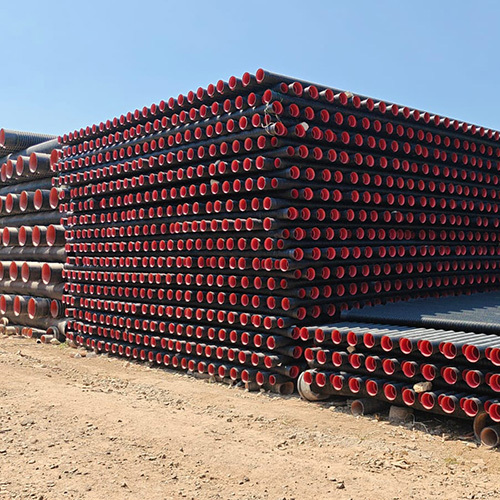
DWC Sewage Pipes
Price 190 INR / Meter
Minimum Order Quantity : 100 Units
Application : Sewage and Drainage Systems, Waste Water, Industrial Effluent, Rainwater Harvesting
Life Span : 50 Years
Standard : IS 16098 Part 2, DIN 16961, EN 13476, ISO 21138
Feature : Corrosion Resistant, UV Stabilized, High Flow Capacity, Leak Proof, Lightweight, Flexible, Durable
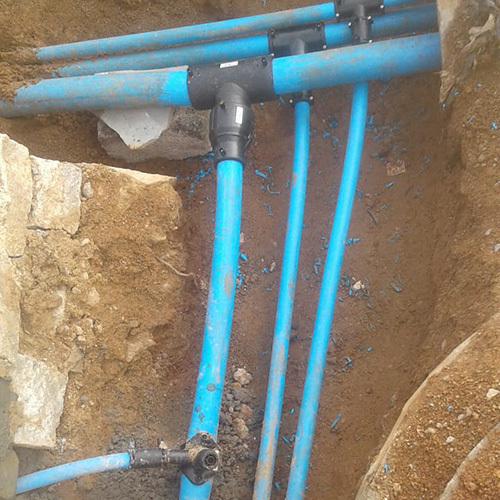
MDPE Pipes
Price 29 INR / Meter
Minimum Order Quantity : 100 Units
Application : Water supply, gas distribution, industrial liquids transportation
Life Span : 50 years (under normal operating conditions)
Standard : IS 14333, ISO 4427, DIN 8074
Feature : Corrosion resistant, UV stabilized, leakproof joints

Contact Details
TSR ENTERPRISES
GST : 36AFVPT1304E1ZD
- 1-94/2, Plot No. - 119, Street No. - 7, Veerareddy Nagar, Boduppal,Hyderabad - 500092, Telangana, India
- Phone :08045813120
 Send Inquiry
- Unit Address
Unit 1: Mudhuchintapally Telanagana
Unit 2 : No : 159 Industrial Park, Dandumalkapur ,Choutuppal Mandal, Yadadri Bhuvanagiri District , Telangana
Unit 3: Mall , Telangana
Unit 4: Kottapalli , Timmapur Telangana
Unit 5: S.NO 644 /1B & 1C. Konda Road, Martur Mandal, Prakasam Dist, Andhra Pradesh
Unit 6: Bestavaripet, Prakasam Dist , AP

Developed and Managed by Infocom Network Private Limited.
