Call: 08045813120
 Send Inquiry
 Send Inquiry
MDPE Pipes
Price 29 INR/ Meter
MOQ : 100 Units
MDPE Pipes Specification
- Application
- Water supply, gas distribution, industrial liquids transportation
- Life Span
- 50 years (under normal operating conditions)
- Feature
- Corrosion resistant, UV stabilized, leak-proof joints
- Product Type
- Polyethylene Pipe
- Material
- Other
- Shape
- Round/Circular
- Standard
- IS 14333, ISO 4427, DIN 8074
- Connection Type
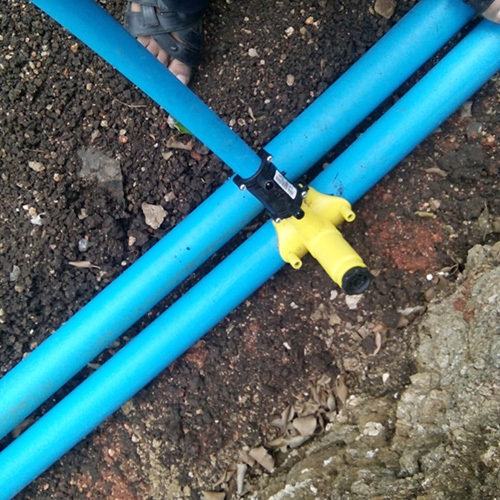
- Compression fittings, Electrofusion fittings, Butt fusion
- Color
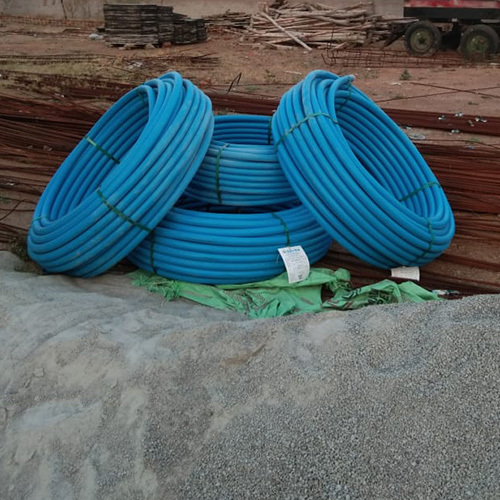
- Blue or Yellow
- Tensile Strength
- >15 MPa
- Hydrostatic Strength
- Long term hydrostatic strength as per IS/ISO standards
- Environment Impact
- Recyclable and eco-friendly
- Surface Finish
- Smooth both inside and outside
- Impact Resistance
- Excellent, maintains integrity under rough handling
- Service Life Certification
- Tested as per international standards for potable water
- Elongation at Break
- >400%
- Temperature Resistance
- Up to 60C
- Chemical Resistance
- Highly resistant to most chemicals and salts
- Density
- 0.936-0.941 g/cm3
- Flexibility
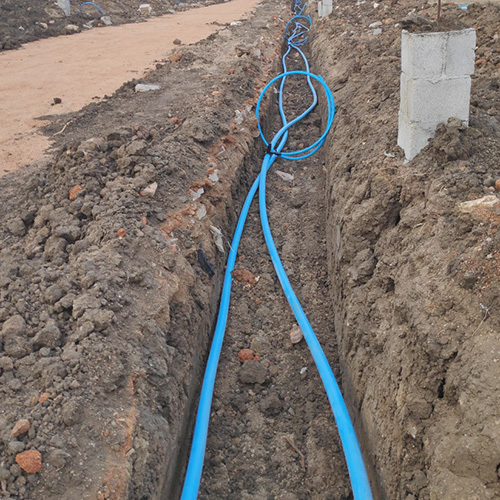
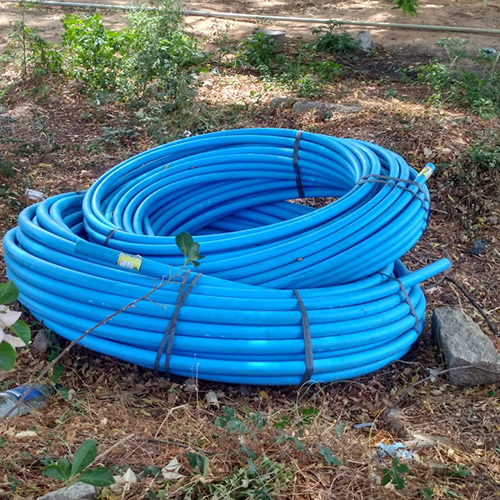
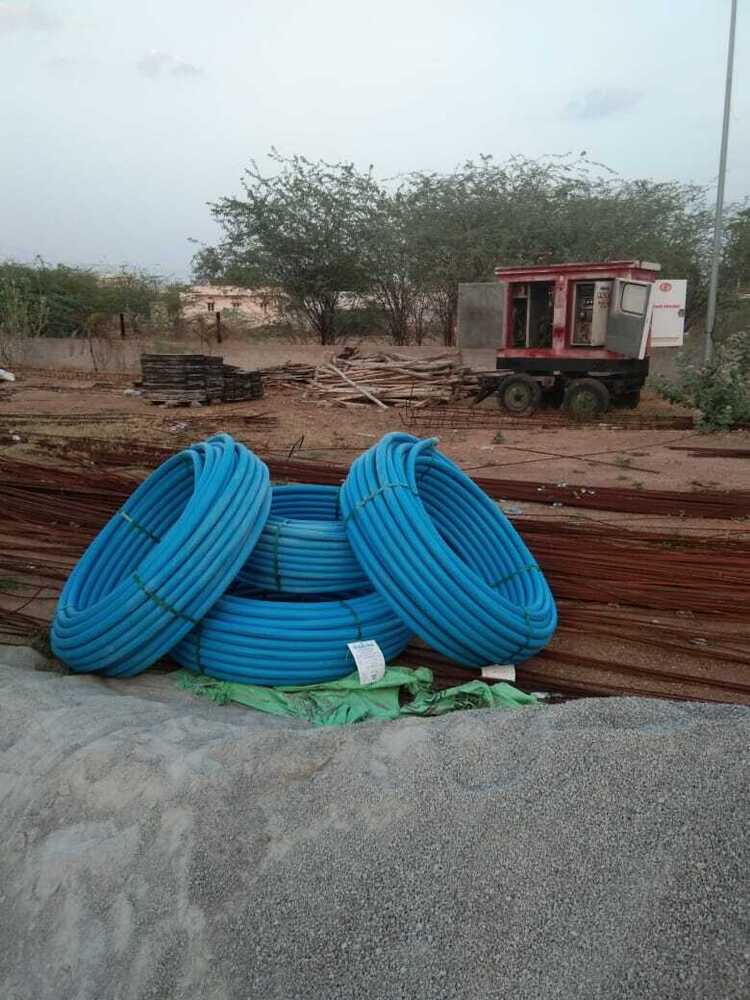
- High flexibility, suitable for trenchless installations
MDPE Pipes Trade Information
- Minimum Order Quantity
- 100 Units
- Payment Terms
- Cash in Advance (CID)
- Supply Ability
- 5000 Units Per Month
- Delivery Time
- 7 Days
- Main Domestic Market
- All India
About MDPE Pipes
Medium-Density Polyethylene (MDPE) pipe is a durable, flexible, and chemical-resistant piping material, commonly rated for 12.5 bar pressure, used primarily for underground potable water, gas distribution, and irrigation systems. Blue MDPE is for potable water. MDPE pipes and MDPE pipe fittings, following top global and Indian standards such as ISO 4427, DIN 8074, EN 12201, IS 4984, IS 14151, and IS 14333. We specialize in PE100-grade pipes, made from strong black composite raw materials that meet strict performance requirements.
PE100 MDPE pipes are stronger than PE80 or PE63, allowing for larger pipe bores at the same pressure. As per ISO 4427, PE100 pipes must pass a 10,000-hour Long Term Hydrostatic Strength (LTHS) test. This ensures they can handle over 10 MPa pressure and last for at least 50 years.
Key Applications and Uses
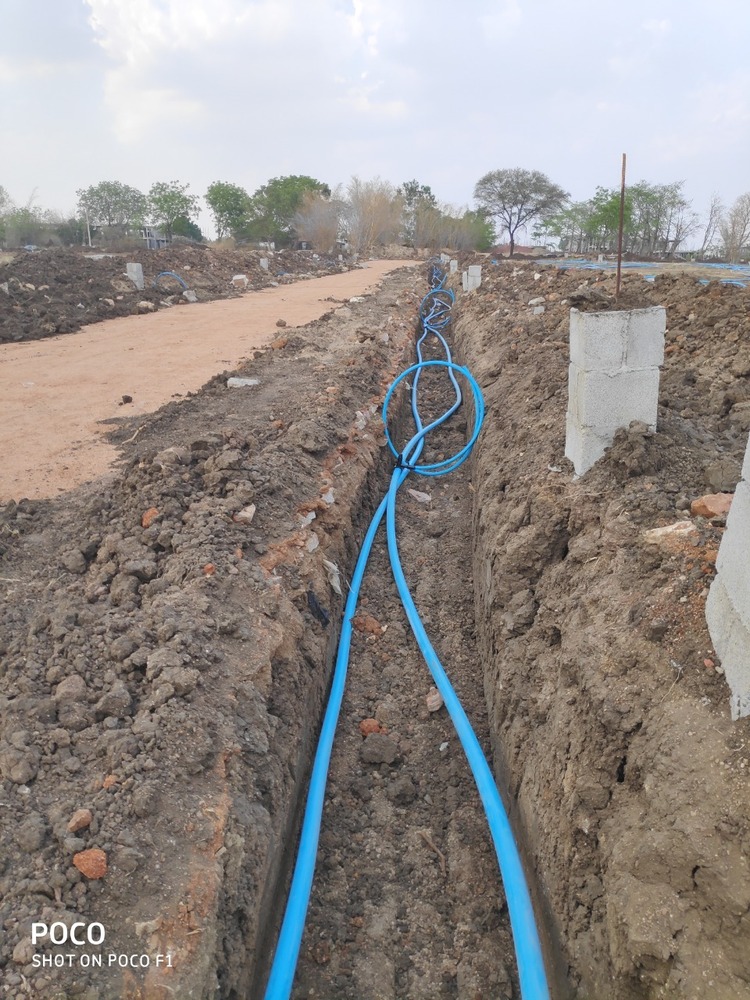
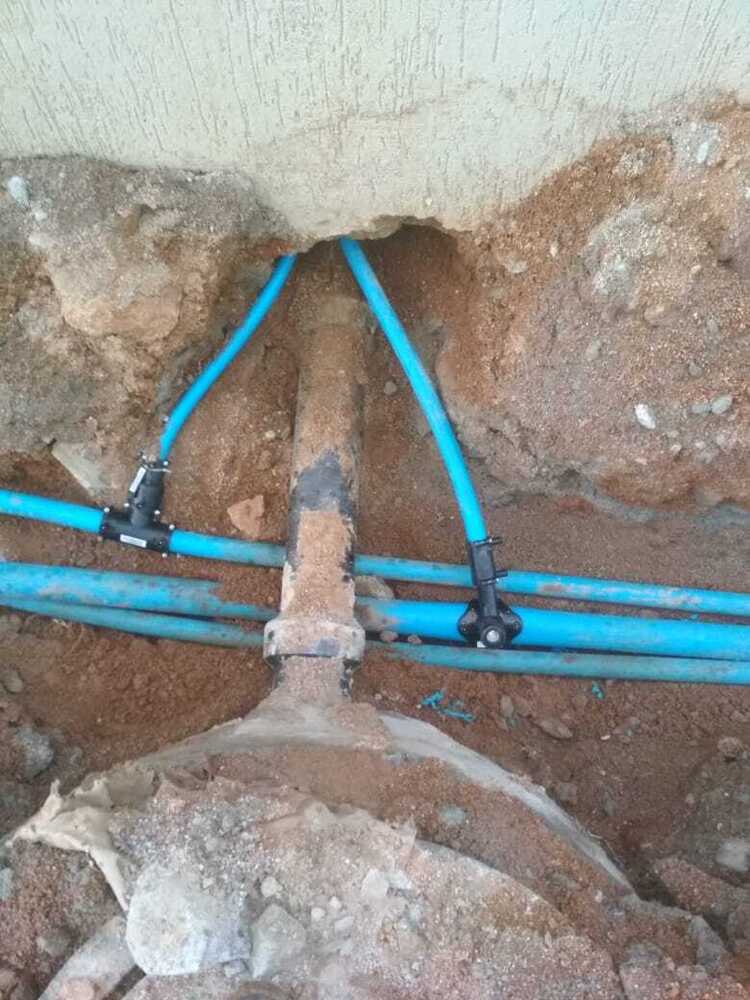
- Water Supply: Used for potable (drinking) water mains, residential service connections, and water distribution; often requires WRAS or similar approvals.
- Irrigation & Agriculture: Ideal for agricultural, horticultural, and landscape irrigation systems due to flexibility and ease of installation.
- Gas Distribution: Commonly used for transporting natural gas and hydrogen.
- Industrial Applications: Suitable for conveying chemical solutions, acids, alkalis, and slurries due to high chemical resistance.
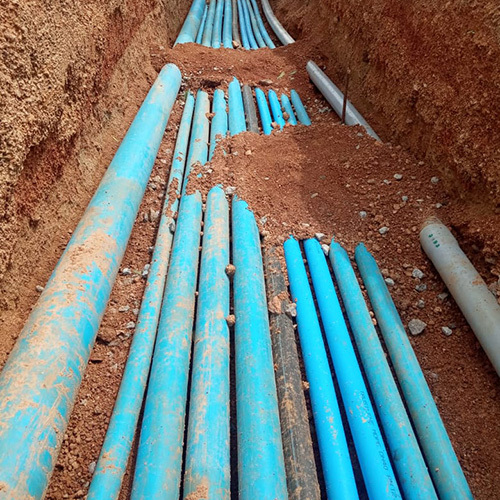
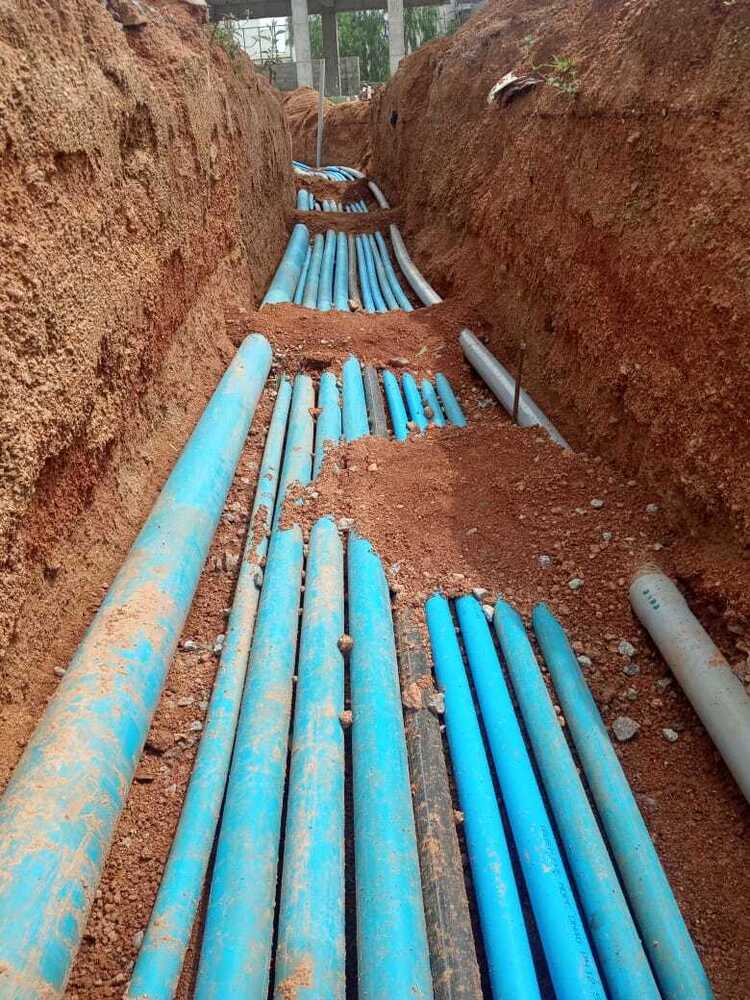
- Cable Ducting: Used for protecting underground power and communication cables.
- Sewage & Drainage: Employed in sewage and effluent management systems.
Key Characteristics & Considerations
- Colors: Blue for potable water (underground); black commonly used for above-ground or general applications.
- Durability: Resistant to corrosion, impacts, and stress cracking.
- Temperature: Not suitable for high-temperature hot water; typically rated for cold water use (under 40 - 60 deg C).
- Installation: Installed using specialized MDPE mechanical fittings; can also be installed via trenchless techniques.
Reliable Performance for Demanding Environments
MDPE pipes offer exceptional resilience owing to their high impact resistance and hydrostatic strength, conforming to international standards. Whether used for water supply, gas distribution, or industrial liquid transport, these pipes maintain integrity even under rough handling or fluctuating temperatures. Their corrosion resistance and UV stabilization ensure longevity in both buried and exposed applications.
Easy Installation and Versatile Connections
Designed with excellent flexibility, MDPE pipes support straightforward installation, even in challenging environments that require trenchless laying. Multiple connection options such as compression fittings, electrofusion, and butt fusion guarantee leak-proof joints and adaptability to a wide variety of infrastructure needs. Their round/circular shape facilitates smooth fluid flow and operational efficiency.
Sustainable, Safe, and Certified
Eco-conscious users benefit from MDPE pipes' recyclability and environmental safety. Tested and certified for potable water applications as per international standards, they help ensure clean, safe supply lines. With a projected service life of 50 years and high resistance to chemicals and salts, MDPE pipes set a new benchmark for sustainable utility solutions.
FAQ's of MDPE Pipes:
Q: How are MDPE pipes typically installed in trenchless applications?
A: MDPE pipes are highly flexible, making them ideal for trenchless installations like horizontal directional drilling and pipe bursting. Their robust design allows them to be maneuvered through underground pathways with minimal excavation, reducing environmental disturbance and installation time.Q: What are the main benefits of using MDPE pipes for water supply and gas distribution?
A: MDPE pipes offer significant advantages, such as excellent impact and chemical resistance, leak-proof joints, and a smooth internal finish that reduces friction. They comply with IS/ISO standards, are corrosion resistant, and have a service life of up to 50 years, ensuring safe, reliable utility lines for long-term use.Q: Where can MDPE pipes be used, and for which types of fluids?
A: These pipes are suitable for potable water supply, natural gas distribution, and the transportation of industrial liquids. With high chemical and corrosion resistance, they are ideal for municipal, commercial, and industrial sectors across diverse environmental conditions.Q: What types of connection fittings are compatible with MDPE pipes?
A: MDPE pipes can be joined using compression fittings, electrofusion fittings, or butt fusion methods. All these techniques create leak-proof and durable joints, enhancing system reliability and accommodating various installation requirements.Q: When can MDPE pipes be considered eco-friendly and what is their environmental impact?
A: MDPE pipes are recyclable at the end of their service life and are produced from materials with low environmental impact. Their durability and resistance to corrosion extend replacement intervals, thus minimizing resource consumption and contributing to eco-friendly infrastructure.Q: How does the surface finish of MDPE pipes affect their performance?
A: The smooth internal and external finish minimizes friction losses, prevents scaling and blockages, and simplifies cleaning. This quality ensures efficient flow rates and long-term operational reliability in utility systems.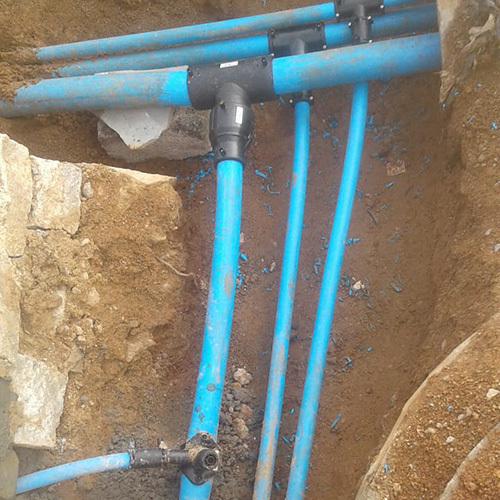
Tell us about your requirement

Price:
Quantity
Select Unit
- 50
- 100
- 200
- 250
- 500
- 1000+
Additional detail
Mobile number
Email

More Products in HDPE Pipe Category
Jain corrugated & duct pipes
Minimum Order Quantity : 500
Product Type : Corrugated Duct Pipe
Color : Black, Orange, or as per customer requirement
Life Span : More than 50 years under normal conditions
Standard : IS 14930 Part 2
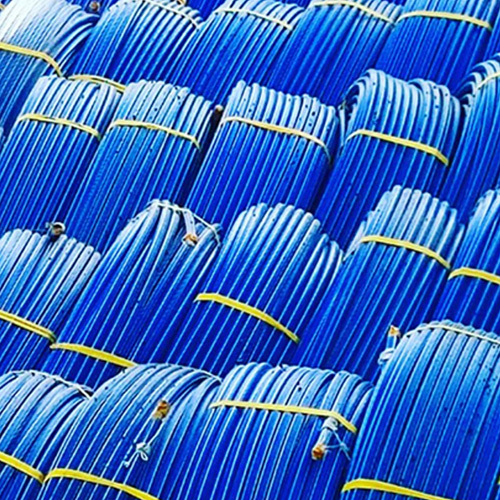
Blue HDPE PLB Duct Pipes
Price 35 INR / Meter
Minimum Order Quantity : 100 Units
Product Type : HDPE Permanently Lubricated (PLB) Duct Pipe
Color : Blue
Life Span : Over 50 years under normal conditions
Standard : IS 4984, TEC GR/CDS008/02, ISO standards
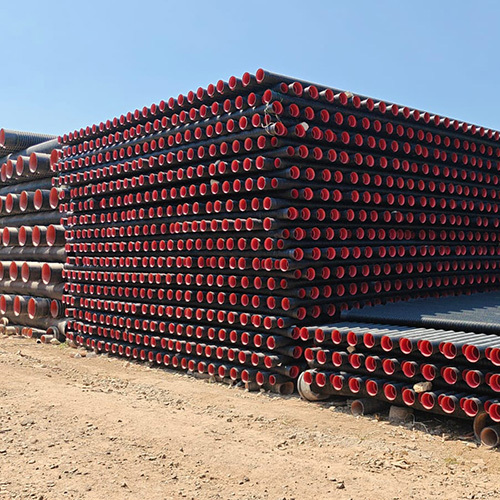
DWC Sewage Pipes
Price 190 INR / Meter
Minimum Order Quantity : 100 Units
Product Type : DWC Sewage Pipe
Color : Black with Yellow Inner lining
Life Span : 50 Years
Standard : IS 16098 Part 2, DIN 16961, EN 13476, ISO 21138
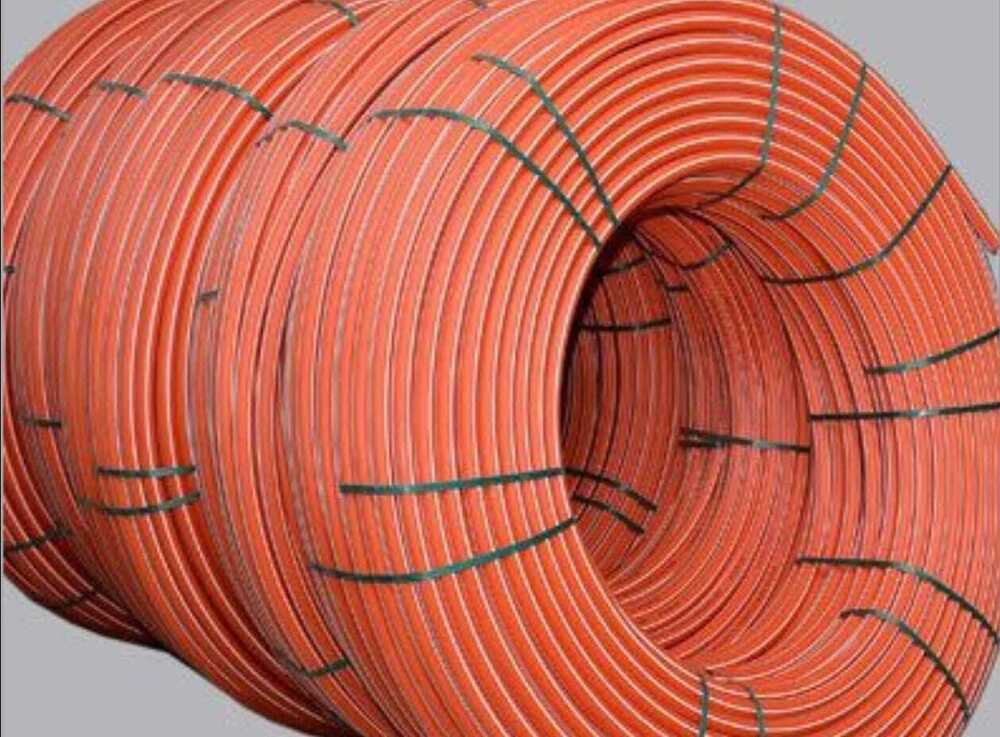
HDPE PLB Duct Pipe
Minimum Order Quantity : 100
Product Type : HDPE PLB Duct Pipe
Color : Green, Red, Blue, Orange, Black, Yellow, Custom colors available
Life Span : 50 years
Standard : IEC 60794, IS 4984, TEC, GR Standards

Contact Details
TSR ENTERPRISES
GST : 36AFVPT1304E1ZD
- 1-94/2, Plot No. - 119, Street No. - 7, Veerareddy Nagar, Boduppal,Hyderabad - 500092, Telangana, India
- Phone :08045813120
 Send Inquiry
- Unit Address
Unit 1: Mudhuchintapally Telanagana
Unit 2 : No : 159 Industrial Park, Dandumalkapur ,Choutuppal Mandal, Yadadri Bhuvanagiri District , Telangana
Unit 3: Mall , Telangana
Unit 4: Kottapalli , Timmapur Telangana
Unit 5: S.NO 644 /1B & 1C. Konda Road, Martur Mandal, Prakasam Dist, Andhra Pradesh
Unit 6: Bestavaripet, Prakasam Dist , AP

Developed and Managed by Infocom Network Private Limited.
